Description
The goal of this project is to determine the graft compatibility of Texas native Prunus species. Texas is home to approximately 13 species of native Prunus, from the diminutive Prunus minutiflora to the majestic P. serotina. They are found nearly statewide in a variety of habitats, including deserts, grasslands and forests. Many have edible fruit and several species formerly had named cultivars, though these have long since disappeared. Cultivation of these species is important because they have special adaptations to Texas's rapidly changing climate that the more commonly grown Eurasian Prunus species, like domestic plums, almonds, and peaches, lack. In addition, all of the native Prunus species are extremely valuable to the local ecology of Texas, supporting a huge diversity of insects. One of the most remarkable aspects of Prunus is that is possible to graft scions from one species onto a rootstock of a different species. Commercial Prunus cultivation relies heavily on grafted plants to impart desirable traits like soil compatibility and disease resistance. However, the graft compatibility of Prunus species varies within the genus and is completely unknown for the Texas native Prunus species, making research into this area a key first step in enhancing the cultivation of these amazing plants.
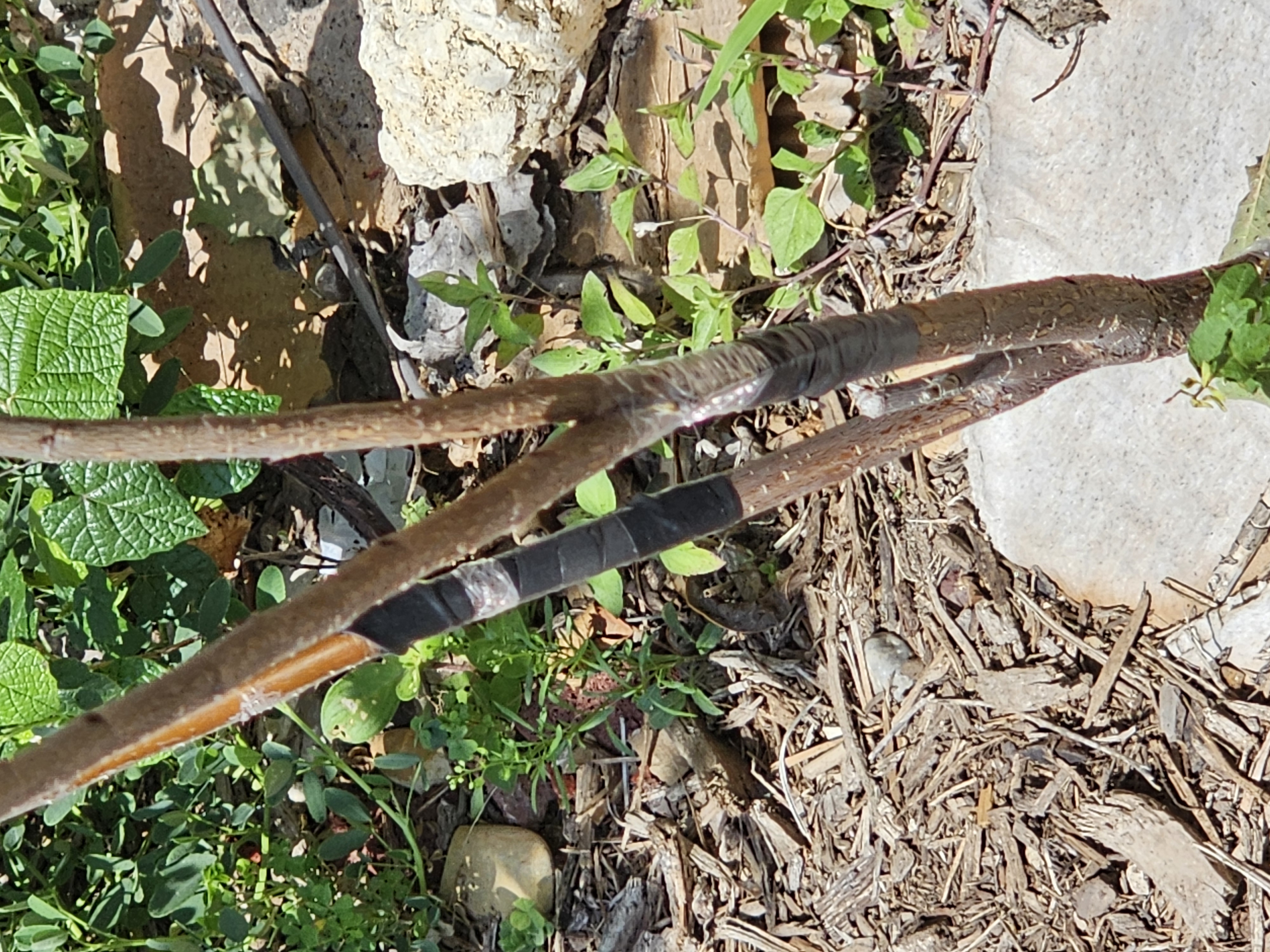
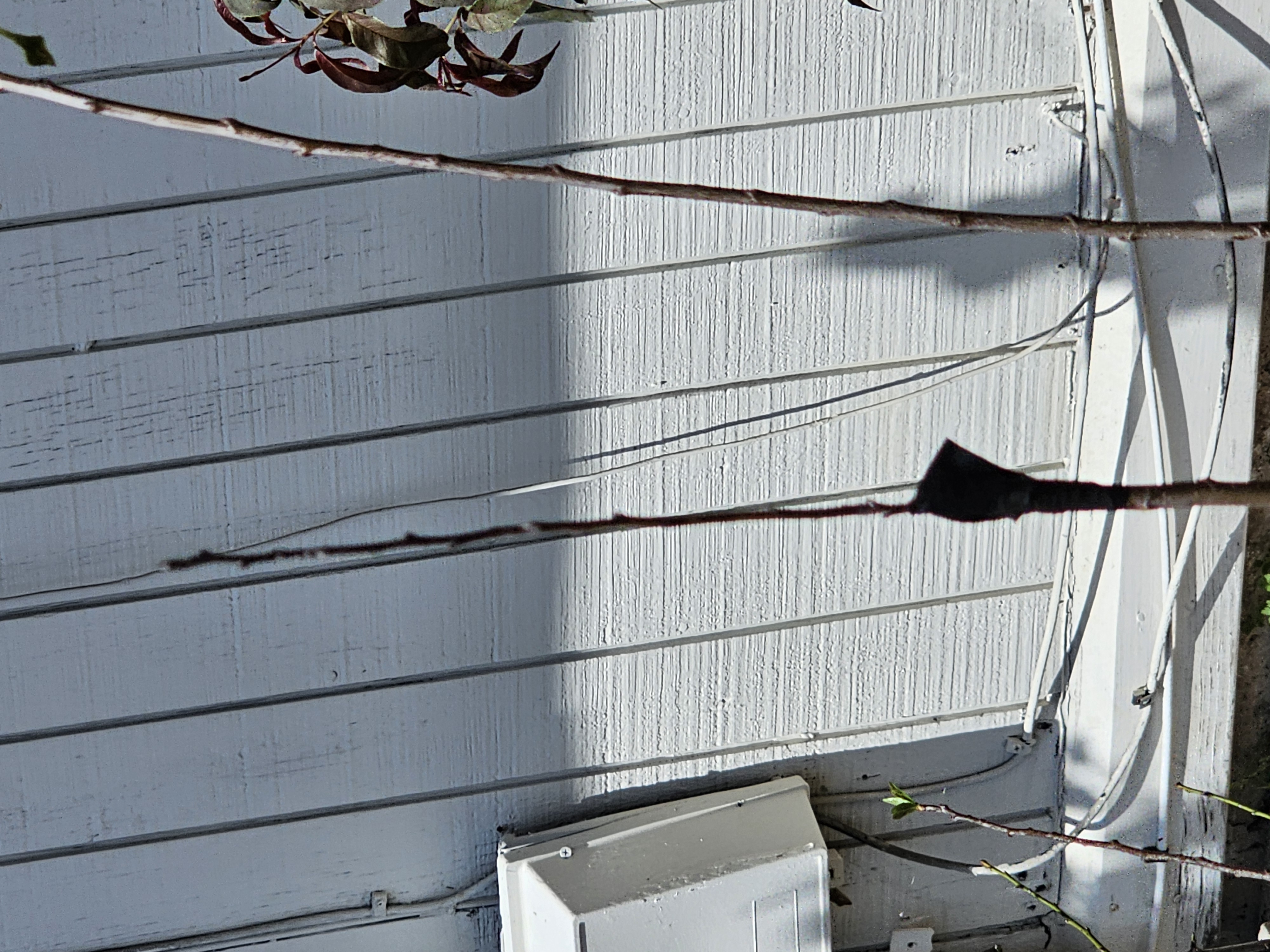
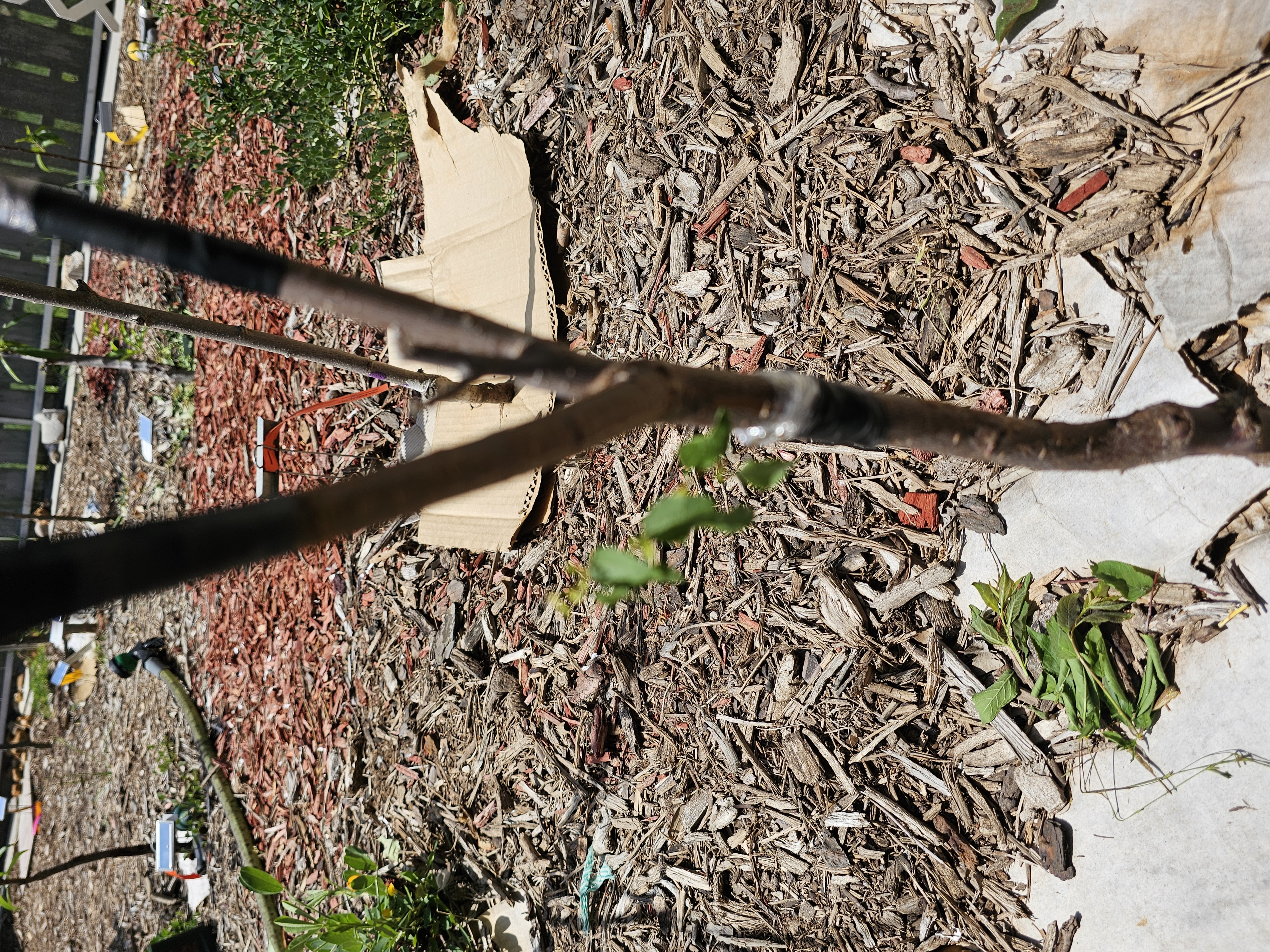
For this research, T-grafting will be used to graft leaf bud scions onto appropriate rootstock. One of the best candidates for grafting is Prunus texana, a shrub commonly known as Texas peachbush or duraznillo. It produces some of the most highly edible fruits of the native Texas Prunus species and forms an easily harvested compact shrub. However, the plant requires deep sands to thrive, limiting the area in which it can be culivated to a small portion of the state. Other native Prunus species are fully capable of growing in a wide variety of soils, from thin rocky soils to heavy clays. By grafting scions of P. texana onto a rootstock more tolerant of varied soil textures, the plant could be grown successfully in a larger proportion of the state.
Researcher background
My name is Tyson Bartlett and I am an amateur naturalist and gardener from Texas. I am a Texas Master Naturalist in the Good Water Chapter and belong to the Williamson County Chapter of the Native Plant Society of Texas. I've been a nature enthusiast for most of life and really got into native plants because of their foundational place in ecosystems. There are many native plants in Texas that have never been domesticated despite being edible. I'd like to see if it's possible to improve a few wild species to reduce our dependence on poorly-adapted crops in the face of a changing climate.
Are you seeking volunteer growers or other types of volunteers?
Yes, seeking volunteer growers
What will you ask volunteers to do?
Volunteers will need to acquire a native Texas Prunus rootstock, collect a scion from a wild or cultivated Texas native Prunus species, graft the scion onto the rootstock, and monitor the graft's compatibility. T-grafting is recommended to start, but once the viability of t-grafting has been demonstrated for a particular scion/roostock combination, other grafting methods may be used. Prunus texana will be the initial focus of this research, but it would be ideal to learn about the graft compatibility of all species found in the state.
Other requirements of volunteers?
Anyone who has an interest in plants, has access to wild or culvtivated Texas Prunus species, and is willing to monitor grafted plants to determine viability can volunteer. Before collecting scions from wild plants, landowner permission should be obtained.
Can volunteers expect to be able to keep some germplasm (seeds, bulbs, cuttings, spores, etc) at the close of the project?
Yes, of course
Anything else?
I hope this will be the first in a multi-phase project that encompasses all aspects of improving the cultivation of Texas native Prunus species. Testing grafting compatibility is simply the first step in the process. Later phases would include cultivar development for enhanced fruit production, hybrid rootstock development, and so forth.
The 13 native Prunus species in Texas are:
American plum (Prunus americana)
Chickasaw plum (Prunus angustifolia)
Carolina laurelcherry (Prunus caroliniana)
Oklahoma plum (Prunus gracilis)
Havard plum (Prunus havardii)
Mexican plum (Prunus mexicana)
Texas almond (Prunus minutiflora)
Murray's plum (Prunus murrayana)
Creek plum (Prunus rivularis, includes P. munsoniana)
Black cherry (Prunus serotina)
Texas peachbush (Prunus texana)
Flatwoods plum (Prunus umbellata)
Chokecherry (Prunus virginiana)
The project logo features the fruit of Texas peachbush on the left and Texas almond on the right. These two species are found near several large cities from Austin south and west to the Rio Grande and are considered by the Texas Parks and Wildlife Department as being Species of Greatest Conservation Need.